Radarea
Imagine you are in an unknown city. How do you know you can walk around safely?
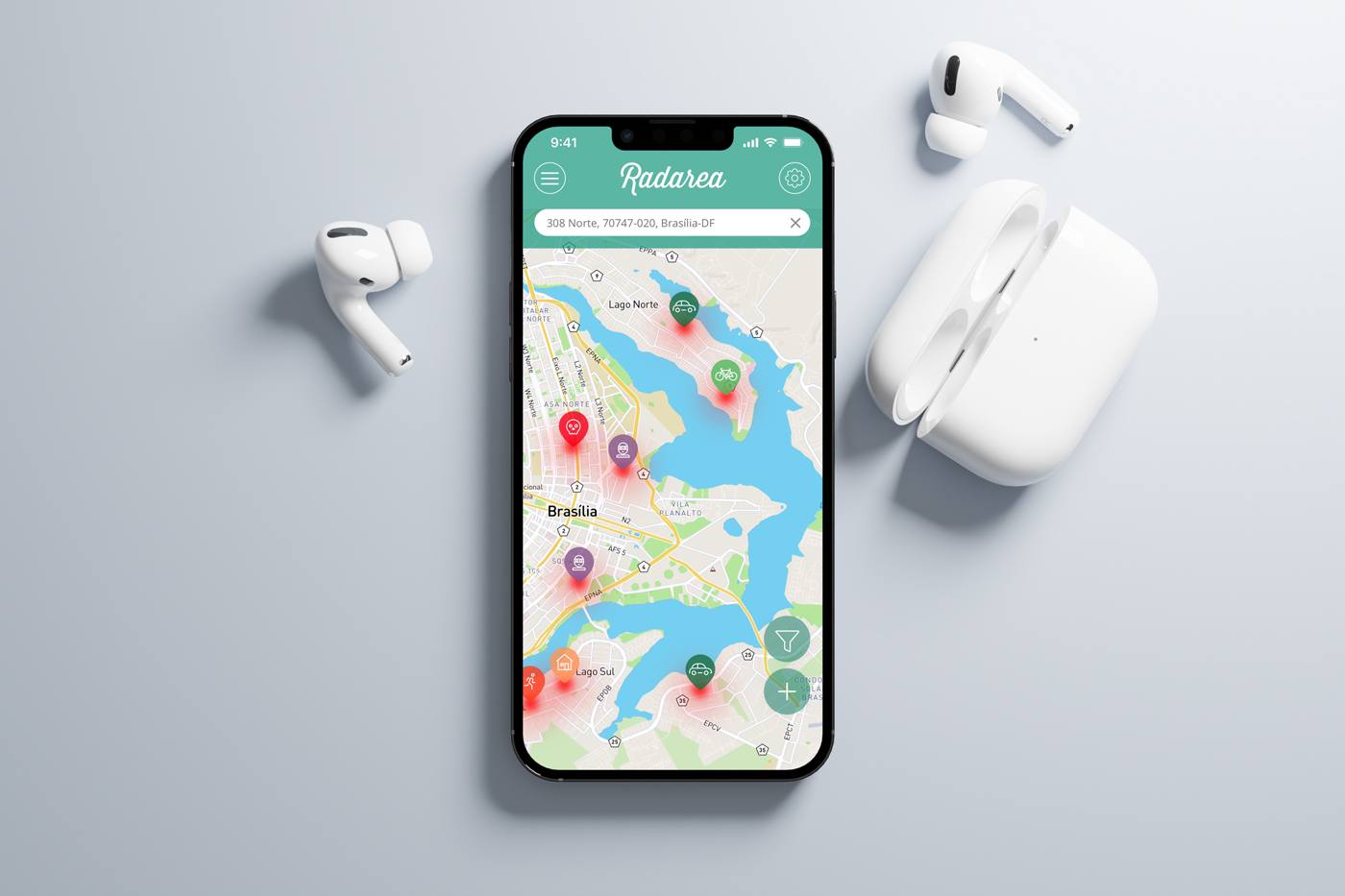
Radarea is a community-driven tool to register crime incidents and display them on a heat map, created to help people move safely around cities.
01
The product
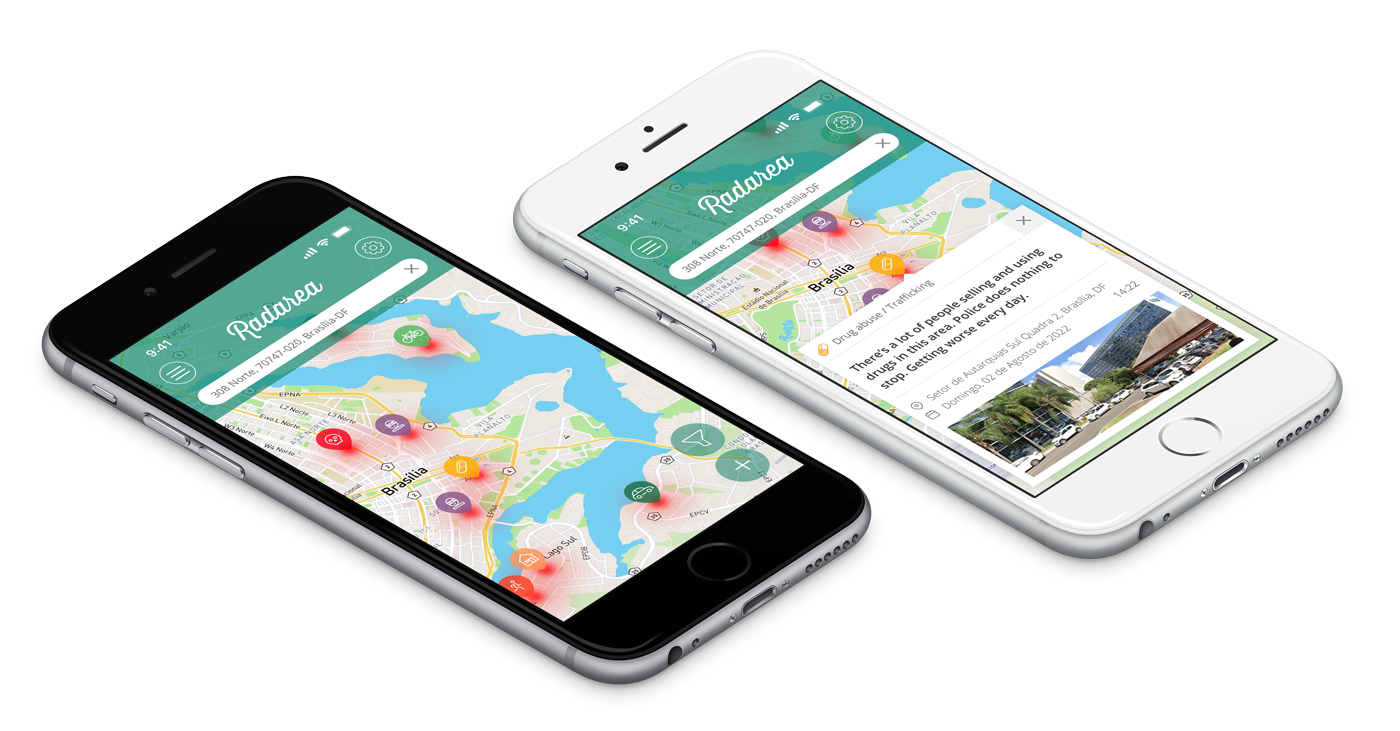
Radarea allows users to enter crimes that happened to them or people they know, adding location, time, type of crime, and a description.
Occurrences can be filtered by location, date, crime type, and more, and map settings can be customized.
We also built a scraping feature that gets crime data by scraping news sites, Twitter, and official police sources.
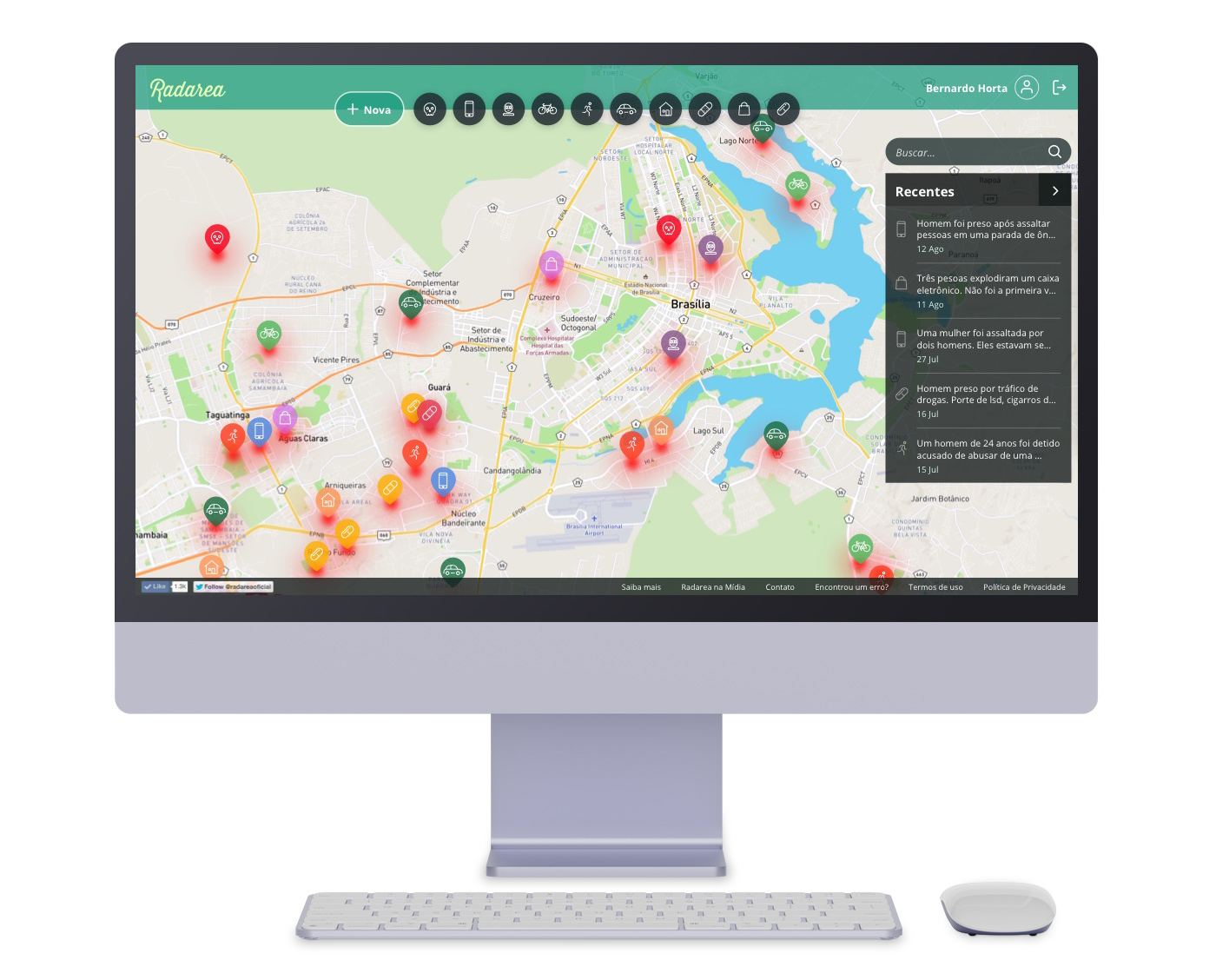
Radarea can also be a form of political pressure, a database created and supported by citizens to pressure governments to act on once-forgotten areas.
02
The process
Crime can happen to any person, so Radarea needed to be easy and accessible.
The tool had to be available on the go, since users would likely look for the website right after a crime happened. That meant the site had to be accessible and mobile-ready.
We started with a small list of requirements that quickly grew into a huge one. We met with users to help rank features, using a prioritization matrix and a feature auction where they got fictional money to spend on the items they cared about most, which helped shape our MVP.
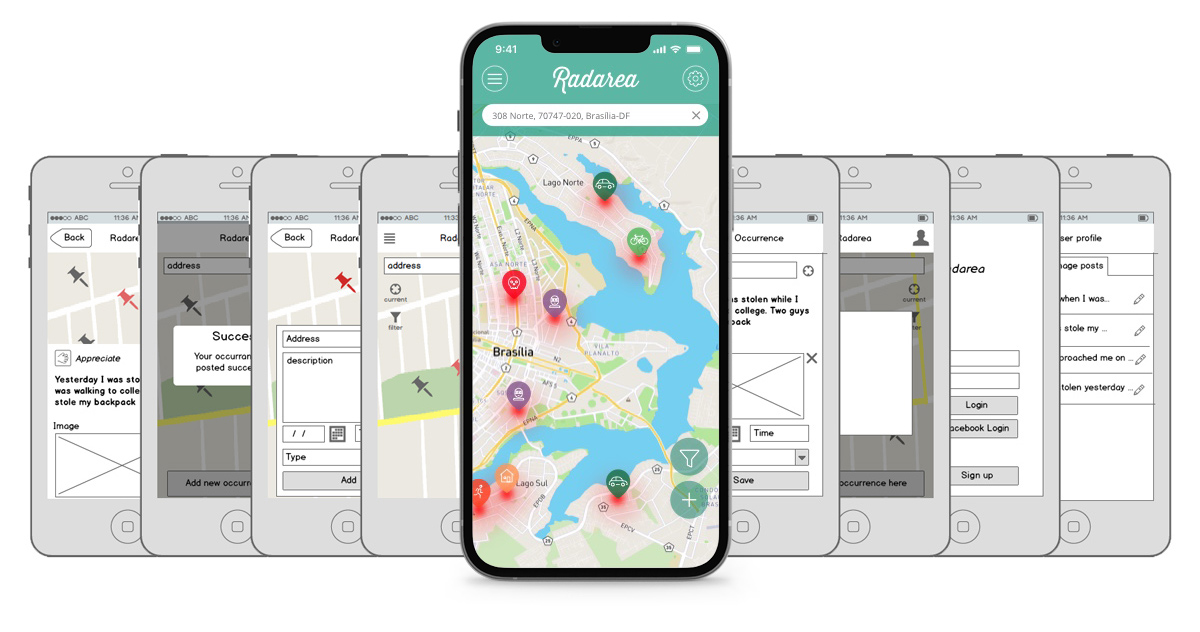
After the creation of the updated requirements list based on user feedback and expected efforts by the rest of the team, I was responsible for creating the wireframes that captured every single interaction.
This was a personal side project, so a friend and I didn't have a budget, a team, or even much free time.
We launched it as an MVP with a bare-minimum process.
03
The results
The project was a great success. In its first days, thousands of users registered and posted actively to help make cities safer. We were able to collect a lot of feedback from users to improve the next versions.
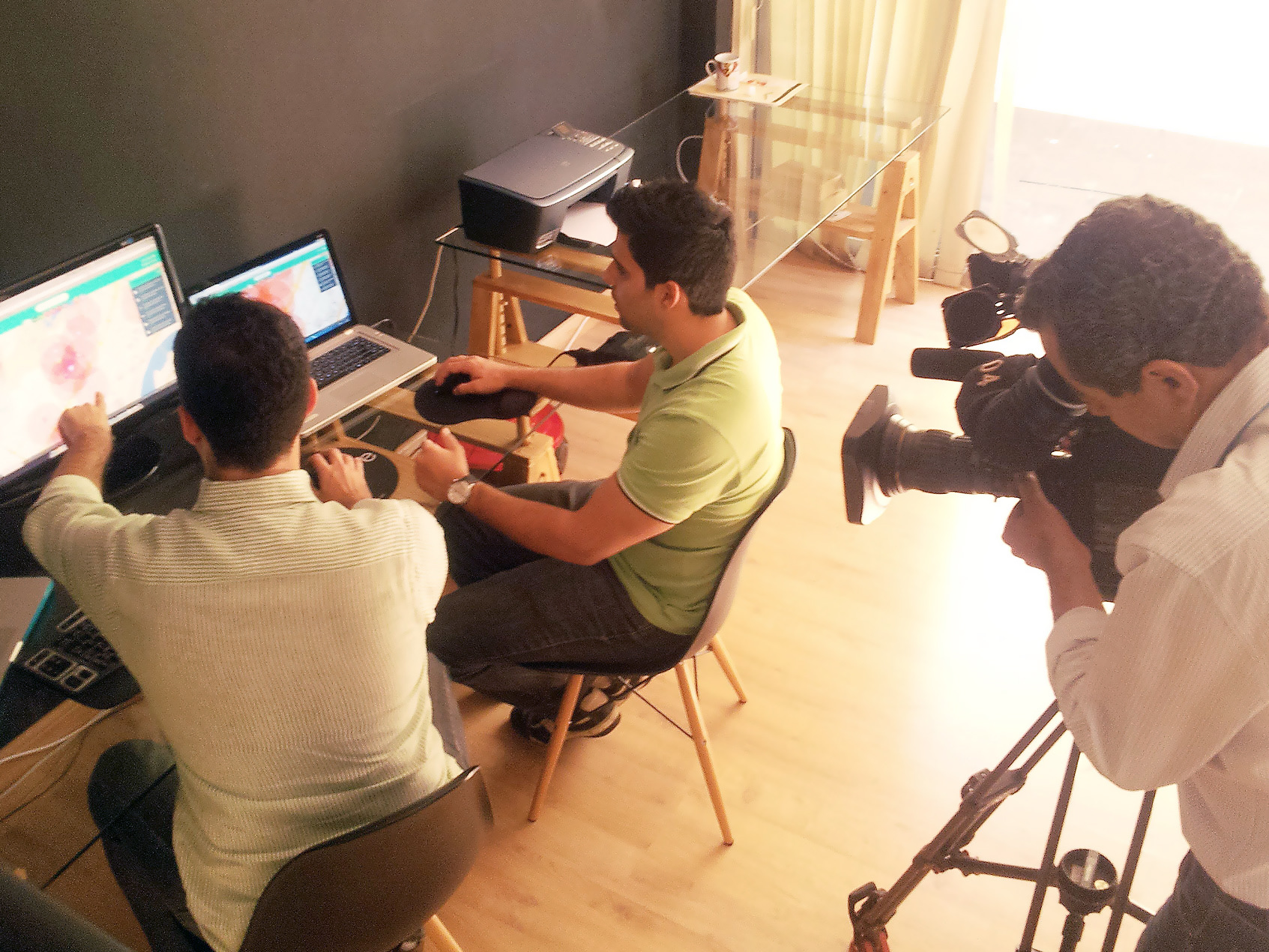
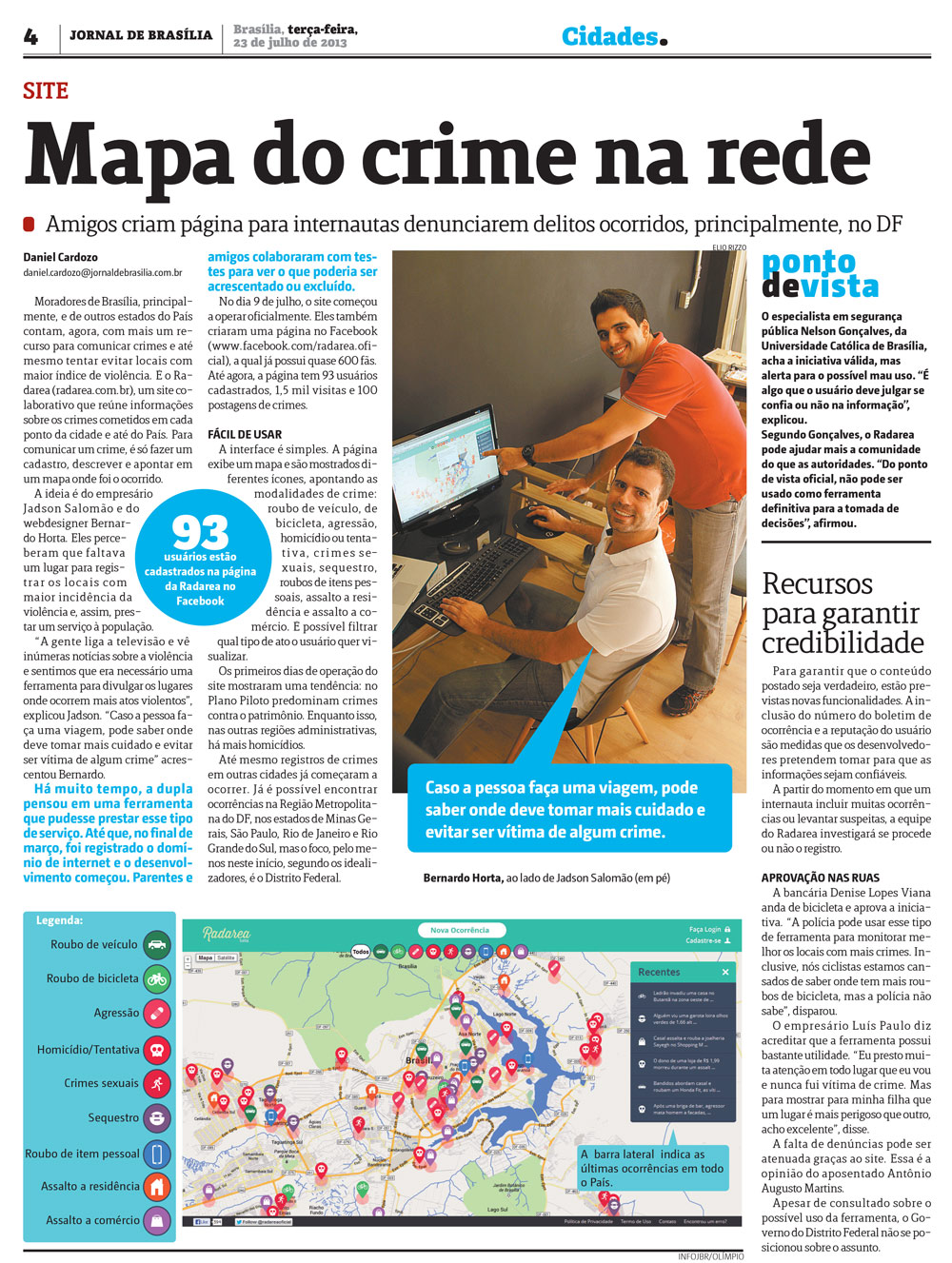
Radarea gained a lot of attention from the local media, getting coverage from all major TV and newspaper companies in the capital of Brazil.
The Brazilian Ministry of Justice invited Radarea to the 1st Laboratório de Participação e Inovação (LabPi), a national lab gathering innovation projects focused on reducing homicides and promoting public safety, where we presented our work to an audience of security professionals and police directors. We were also invited to a design exposition in Brasília, the capital of Brazil.