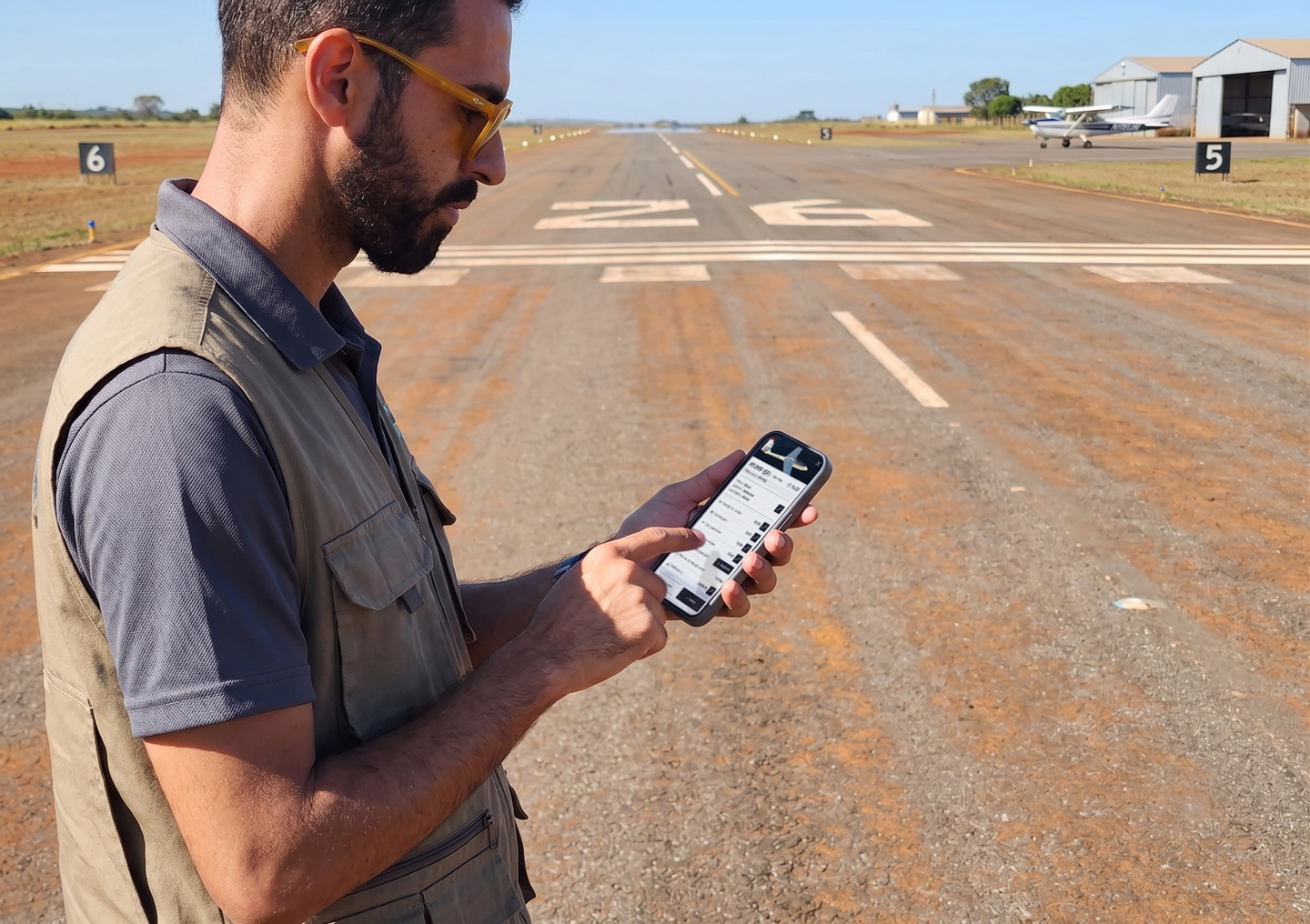
Runway coordination and logging system
Streamlining Airfield Operations with Precision and Ease
How I addressed the complexity of manual flight tracking and digitized runway operations.
01
Overview
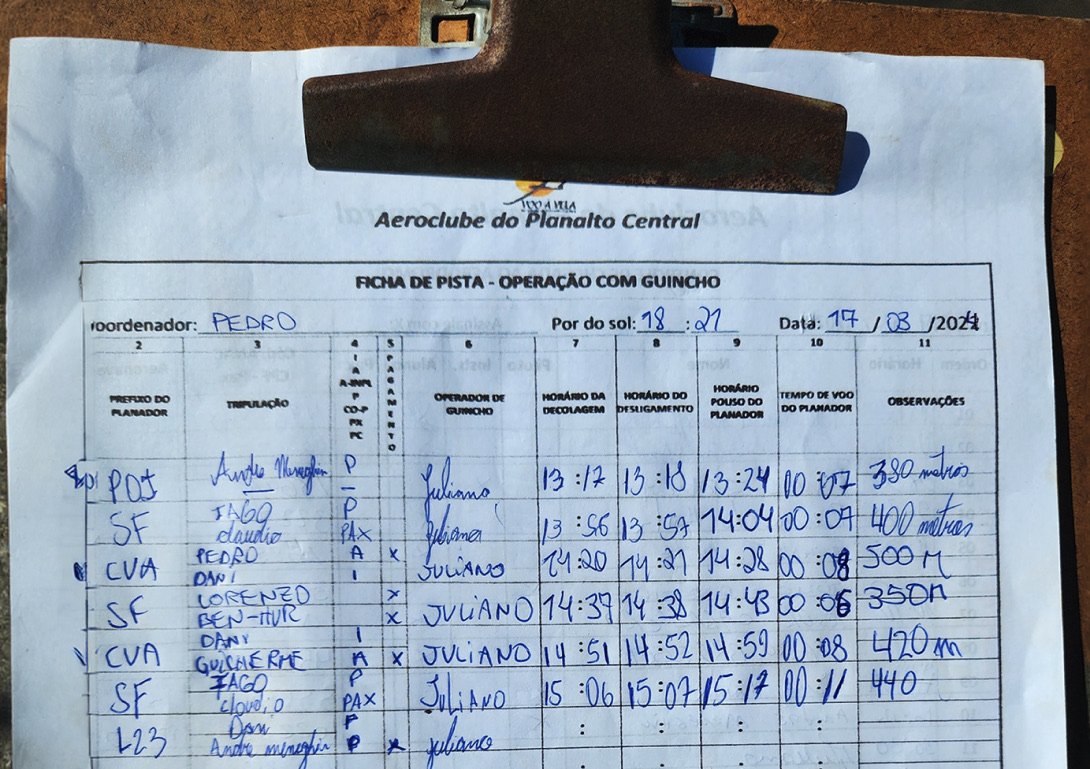
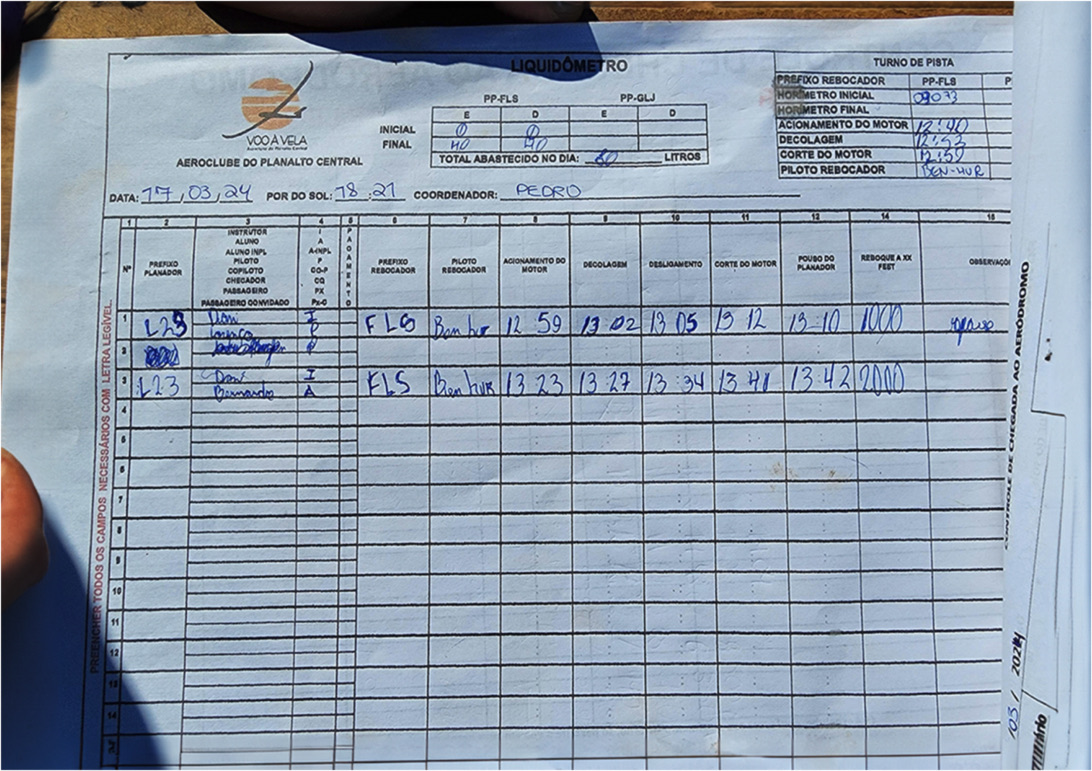
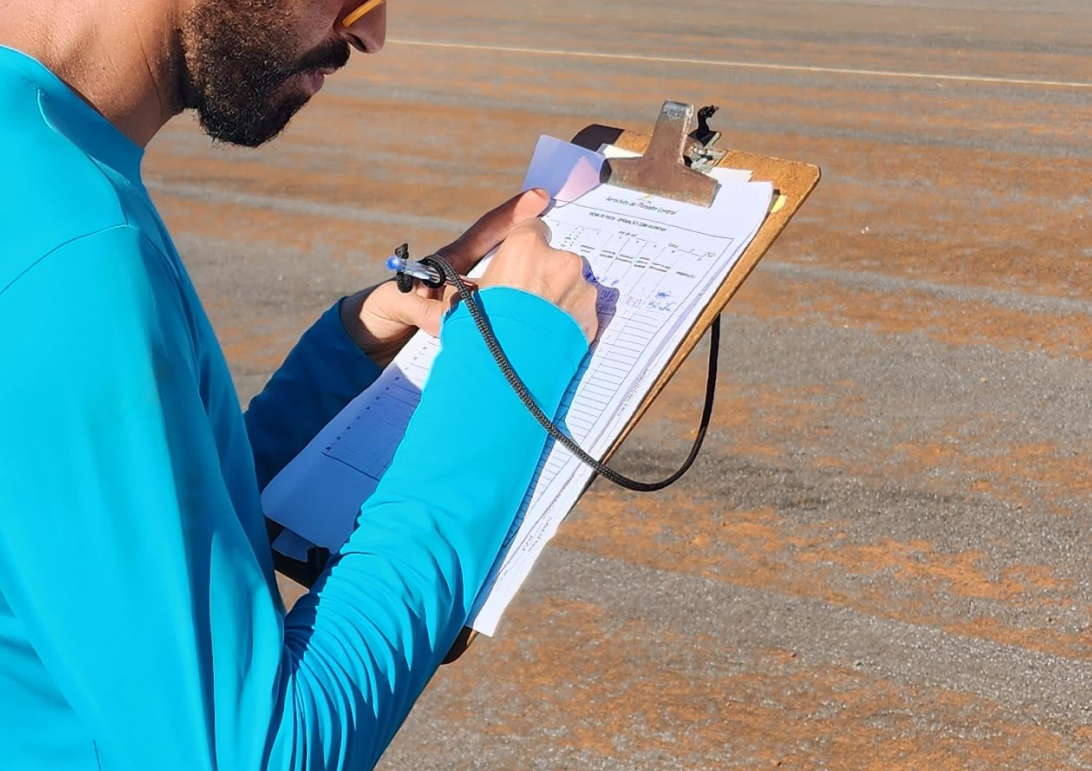
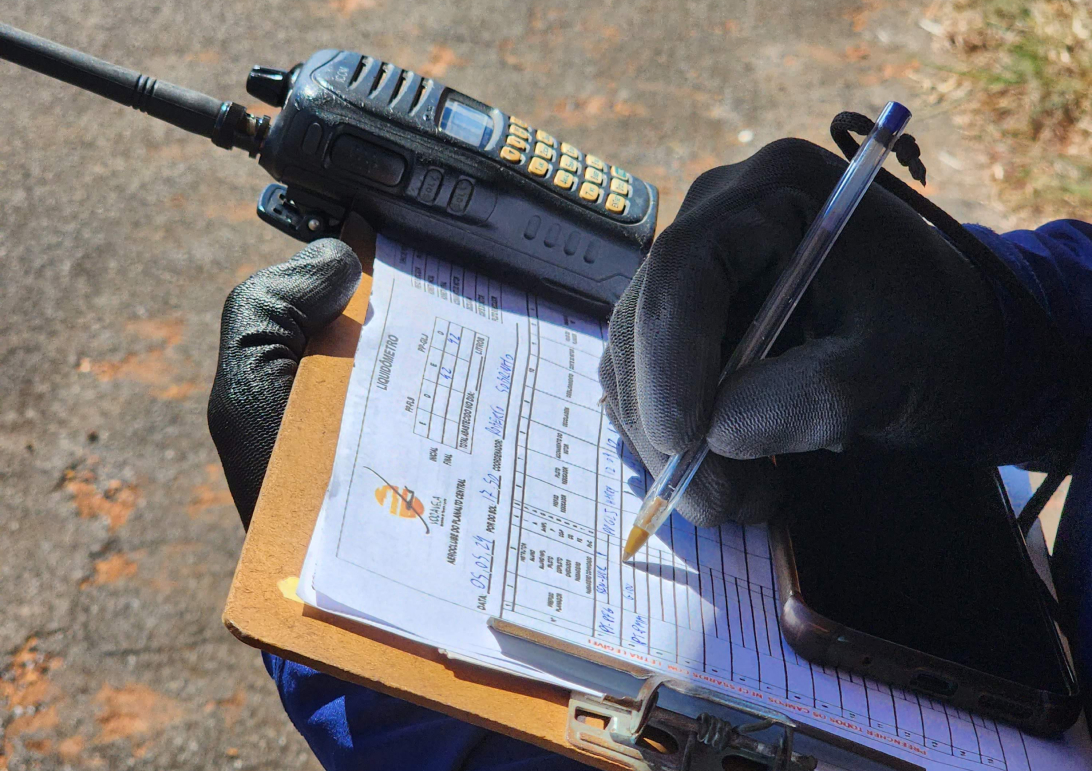
The need for creating a digital system to coordinate self-managed airfield operations is an old one. Traditionally, flight data tracking at these airfields has relied on outdated paper spreadsheets, manually completed beside the runway. This method is susceptible to various errors, inaccuracies, and legibility issues.
The people involved constantly made mistakes and had to contact folks to figure out the right times, altitudes and aircraft data.
02
The solution
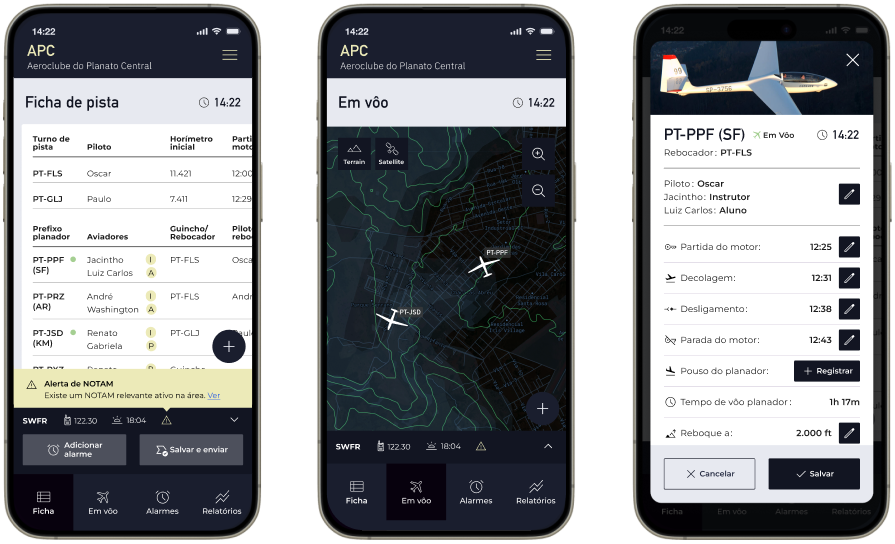
The new system is a digital application that the runway coordinator can run from a mobile device. It automates time tracking for flight details like takeoff and landing times, tow plane and glider disconnection times, and initial track runs. It also logs the roles of the pilots involved, whether they're instructors, students, or officials, fuel levels before and after takeoff, flight durations, and total hours at the end of operations, turning all of that into useful reports, data, and insights.
The app simplifies record-keeping with automatic time calculations and validation to keep things accurate, and it adds proper access control and privileges. It also surfaces the essentials, sunset times, weather, radio frequencies, maps, and Notices to Airmen (NOTAMs), to support self-managed runway operations.
The data collected can be automatically submitted to the airfield management and to aviation authorities, ensuring compliance with organizational and legal requirements.
03
Designed to be read in direct sunlight.
Coordinators use the app outdoors, standing on an open runway under full midday sun, not at a desk. That single fact drove the visual design more than any other requirement: a typical app interface, with light grays on white, washes out completely on a phone screen in direct sunlight.
High contrast became a hard rule rather than a style choice. Text sits on solid, near-black or fully saturated backgrounds, never gray-on-white. Key actions and time fields use bold, heavy type at a size that stays legible at arm's length, and every control is sized for a gloved or sweaty thumb making quick taps between flights. The result is an interface that stays readable in the one lighting condition it actually has to work in.
04
Outcome
The airfield management backed the concept, and it is now in development. The design sprint showed how much the app can improve the flow on the runway, keeping every flight detail recorded and easy to reach. It is a real step forward for the club's operations and its compliance obligations.